How it Works
Enterprise Security
The person starting on your site today might not be who their documents say they are. Using stolen IDs, borrowed identities, and AI-generated faces, bad actors are getting better at breaking through enterprise security boundaries. UWI confirms identity properly, before anyone begins, then allows that verified identity be trusted across systems, projects, and organizations, without repeating the full check each time.
Where the system breaks down today
AI Has Transformed Fakes
of people could correctly spot every deepfake they were shown in a recent study. AI-generated faces and synthetic identities now pass checks that used to work, and the human eye can no longer reliably tell the difference.
Stolen Identities Are the Way In
of all breaches now start with stolen credentials, the single most common way attackers get in, according to Verizon. When access depends on credentials alone, anyone holding them can pass as the person they belong to.
The Cost of Getting It Wrong
is the global average cost of a data breach, and stolen or misused identity is one of the most common ways in. The damage rarely stops at the breach itself, reaching into operational downtime, regulatory exposure, and lost trust.
1. iProov, 2025. 2. Verizon 2025 Data Breach Investigations Report. 3. IBM Cost of a Data Breach Report, 2025.
How does UWI Help
Confirm a Real Person, Before They Begin
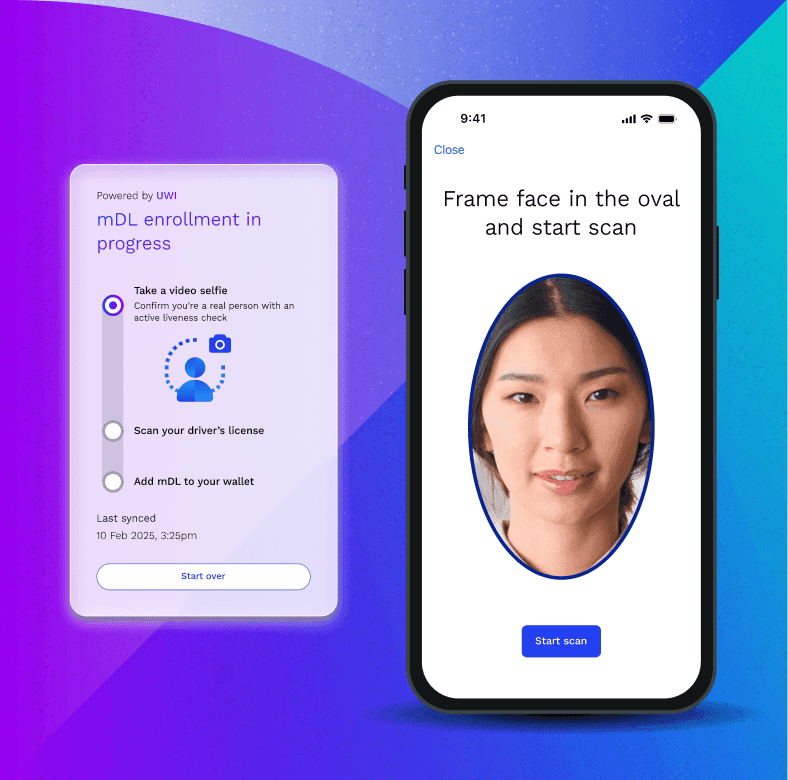
Identity is established up front through a government ID, a biometric match, and a liveness check, confirming there is a real person present rather than a copied document or a generated face. Fraud can be addressed at the point of entry, not discovered later.
One Verified Identity, Trusted Across Systems
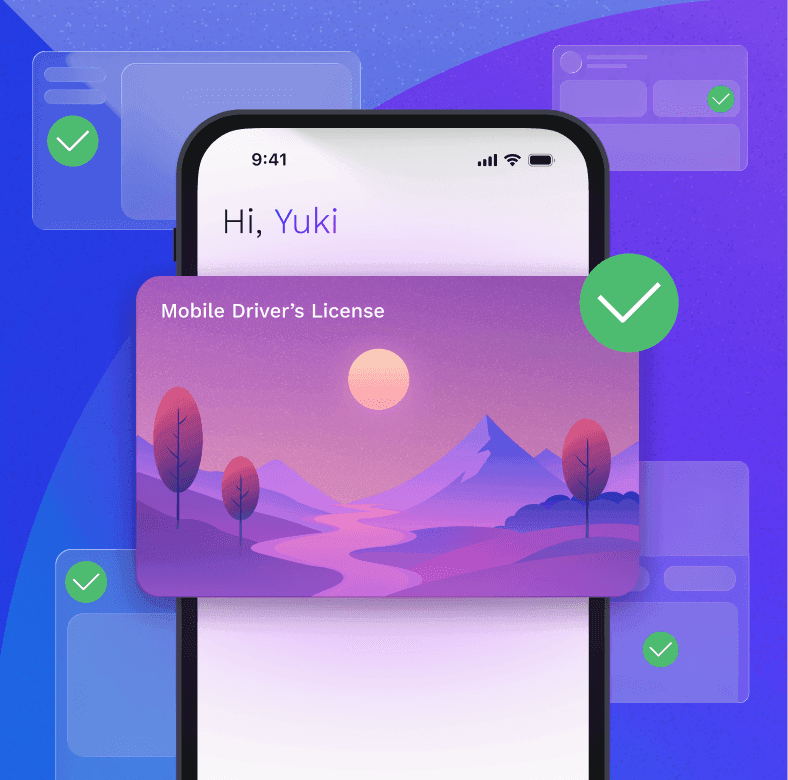
Once confirmed, a verified digital ID is held in a wallet the person controls. As common infrastructure, UWI allows that identity be checked across different systems and organizations, without repeating the full verification each time.
How UWI Provides Verified Identity
Frequently Asked Questions
Identity is established through a government ID, a biometric match, and a liveness check — confirming a real person person rather than a copied document or a generated face. The check happens once, at the point of entry, before anyone begins. Fraud can be addressed at the point of entry, not discovered later.
Standard identity checks confirm that a document looks valid at a single point in time. UWI confirms the person behind the document is genuine and then issues a verifiable digital credential tied to that confirmed identity. That credential can be trusted across systems and organizations without repeating the full check — which is what standard verification cannot do.
UWI is privacy-preserving by design. The verified credential is held in a wallet the individual controls. Nothing is shared without the individual's explicit consent, and nothing leaves their wallet without their approval.
The verified identity is issued as a Verifiable Credential held in the individual's wallet. When that person needs to be verified by another system or organization, a verification request is sent to their wallet. They respond and the credential is confirmed. No full re-verification is needed and no data is transferred without the individual's consent.
UWI is built on open standards and is designed to connect to existing systems without replacing them. It adds the trust layer to systems already in place rather than requiring a new platform to be built from scratch.
Get in Touch with Us
If you have any further inquiries, please contact us using the form linked below. Someone from the UWI Support team will reach out to you. We also welcome any feedback or insights regarding UWI. If you prefer to reach out to us directly, please email us at UWI.support@accenture.com.
